
 |
 |
 |
 |
 |
 |
 |
 |
 |

 |
Ancient ecosystem found in Antarctica
Bozeman, Mont., April 16, 2009 U.S.-led scientists have found that an ecosystem below an Antarctic glacier has survived millions of years by using sulfur and iron compounds for growth. Co-led by Montana State University Professor John Priscu and Jill Mikucki of Dartmouth College, the scientists said the ecosystem lives without light or oxygen in a pool of brine trapped below Taylor Glacier, next to frozen Lake Bonney in eastern Antarctica. Priscu said the ecosystem contains a diversity of bacteria that thrive in cold, salty water loaded with iron and sulfur. The water averages 14 degrees Fahrenheit, but doesn't freeze because it is three or four times saltier than the ocean. Since it has been isolated for so long in extreme conditions, the researchers said the ecosystem might explain how life could exist on other planets and serve as a model for how life can exist under ice. Mikucki said the ecosystem has the "potential to be a modern analog to what geochemistry and biogeochemistry was like millions of years ago." The study that included Peter Lee of the Hollings Marine Laboratory; Ann Pearson, David Johnston and Daniel Schrag of Harvard University; Alexandra Turchyn from Britain's Cambridge University; James Farquhar from the University of Maryland; and Ariel Anbar of Arizona State University appears in the journal Science. Share This Article With Planet Earth
Related Links Beyond the Ice Age
 UN agency sounds warning after Antarctica ice shelf rips
 Paris (AFP) April 7, 2009
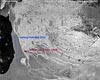
The UN Environment Programme (UNEP) said the breakway of a Jamaica-sized ice shelf from the Antarctic peninsula could accelerate global warming in this already vulnerable region. |
|
|

| The content herein, unless otherwise known to be public domain, are Copyright 1995-2007 - SpaceDaily.AFP and UPI Wire Stories are copyright Agence France-Presse and United Press International. ESA Portal Reports are copyright European Space Agency. All NASA sourced material is public domain. Additional copyrights may apply in whole or part to other bona fide parties. Advertising does not imply endorsement,agreement or approval of any opinions, statements or information provided by SpaceDaily on any Web page published or hosted by SpaceDaily. Privacy Statement |
 del.icio.us
 Digg
Digg Reddit
 YahooMyWeb
 Google
 Facebook