
 |
 |
 |
 |
 |
 |
 |
 |
 |

 |

London UK (SPX) Apr 14, 2011 Bacteria that grow in the antennae of wasps help ward off fungal threats by secreting a 'cocktail' of antibiotics explains a scientist at the Society for General Microbiology's Spring Conference in Harrogate. Dr Martin Kaltenpoth describes how this is the first known example of non-human animals using a combination prophylaxis strategy similar to the one used in human medicine. This discovery could help us find novel antimicrobials for human use and lead to more effective strategies for using them. Female beewolf digger wasps cultivate symbiotic Streptomyces bacteria in unique antennal glands and secrete them into their larval brood cells. The larvae take up the bacteria and incorporate them in the cocoon while spinning it. On the cocoon, the bacteria provide protection against a wide range of potentially detrimental fungi and bacteria by producing a cocktail of at least nine different antibiotic substances. Dr Kaltenpoth from the Max Planck Institute for Chemical Ecology in Germany explains why the results are so fascinating. "We are studying one of the few known symbiotic interactions in which the bacterial partner defends its host against pathogens - rather than providing a nutritional benefit, which is more common. Such defensive interactions have so far been largely overlooked, yet they are probably much more widespread than is currently recognized." Studying more about insect-bacteria symbioses also has potential clinical benefits. "Learning about defensive symbioses will help us understand how mutualistic interactions between insects and bacteria evolve," suggested Dr Kaltenpoth. "Importantly, it will also tell us more about the exploitation of bacterial antibiotics by animals other than humans and about the, as yet, surprisingly little-studied role of antibiotics in nature." The symbiotic bacteria secrete a mixture of antimicrobial compounds on the walls of the cocoon to ward off microbial threats. A similar combination prophylaxis (also known as combination therapy) approach is increasingly used in human medicine. Such a treatment exploits the complementary action of two or more antibiotics. It results in a higher efficacy against a broader spectrum of pathogens and is known to prevent micro-organisms from developing resistance to the antibiotic substance. "Understanding how insects use this approach to defend themselves against pathogens may provide us with insight to help design better strategies to combat increasingly resistant human pathogens," explained Dr Kaltenpoth. "What's more, identifying the components of the antibiotic cocktails produced by a wide range of beewolf species may yield novel antimicrobial compounds that might be useful for human medicine."
Share This Article With Planet Earth
Related Links Society for General Microbiology Epidemics on Earth - Bird Flu, HIV/AIDS, Ebola

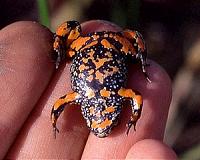 Giant Fire-Bellied Toad's Brain Brims With Powerful Germ-Fighters
Washington DC (SPX) Apr 14, 2011 Frog and toad skins already are renowned as cornucopias of hundreds of germ-fighting substances. Now a new report in ACS's Journal of Proteome Research reveals that the toad brains also may contain an abundance of antibacterial and antiviral substances that could inspire a new generation of medicines. Ren Lai and colleagues point out that scientists know little about the germ-fighting prot ... read more |
|
|
| The content herein, unless otherwise known to be public domain, are Copyright 1995-2010 - SpaceDaily. AFP and UPI Wire Stories are copyright Agence France-Presse and United Press International. ESA Portal Reports are copyright European Space Agency. All NASA sourced material is public domain. Additional copyrights may apply in whole or part to other bona fide parties. Advertising does not imply endorsement,agreement or approval of any opinions, statements or information provided by SpaceDaily on any Web page published or hosted by SpaceDaily. Privacy Statement |


 del.icio.us
 Digg
Digg Reddit
 YahooMyWeb
 Google
 Facebook


