
 |
 |
 |
 |
 |
 |
 |
 |
 |

 |
Burundi's last rebel chief renounces 'armed struggle'
Rubira, Burundi (AFP) April 18, 2009 The chief of Burundi's last active rebel group declared Saturday that he has renounced his movement's "armed struggle" bringing to fruition a peace deal to end 13 years of civil war. Agathon Rwasa of the National Liberation forces spoke at demobilisation ceremony organised at a camp in Rubira, about 20 kilometres (12 miles) from Bujumbura, where the former rebels surrendered their arms in line with the peace accord reached with the government. "This ceremony signifies that we renounce the armed struggle and that we will now focus on political struggle," said Rwasa, who plans to turn his movement into a political force in the central African nation. He added: "Burundians can rest assured, we are not going to resume war." The Hutu rebel chief himself handed over his Kalashnikov rifle to a soldier from South Africa, which helped mediate an end to the conflict. "We are satisfied because it is a major symbol if the warlord agrees to give up his weapons, that signifies that the war is over," said General Evariste Ndayishimiye, the military leader who represented the government in the negotiations with the rebels. The demobilisation of the FNL leader marks the start of a crucial week for the peace process. Some 5,500 FNL fighters have so far assembled at the encampment site in Rubira, and 121 child soldiers have been separated from other combatants. After the FNL rebels are disarmed by a special force from the African Union, the Burundi government is expected on Tuesday to recognise the FNL as a political party, said South African General Derrick Mgwebi. Burundi is set to hold presidential and legislative elections in 2010. Bujumbura and the FNL rebels agreed on December 4 to resolve the final obstacles delaying the implementation of a peace deal reached in September 2006. The deal was signed by Rwasa and Burundian President Pierre Nkurunziza -- also a Hutu ex-rebel leader -- in the presence of several regional leaders, including Ugandan President Yoweri Museveni, who chairs the Burundi peace initiative. The Bujumbura government and the FNL signed a ceasefire accord in 2006 but its implementation had stumbled and both sides had remained at loggerheads over several points. The country's long ethnic conflict pitted the army then dominated by the Tutsi minority against several Hutu rebel groups, killing some 300,000 people. Since 2005, a member of the Hutu majority has been elected to lead the country, while the army and police are divided equally between the two ethnic groups. According to the latest agreements reached with the FNL in South Africa last week, 3,500 rebels are going to be integrated into the army and police and around 5,000 others will be demobilised by mid-May. "I can say that this time we are confident that this plan is going to work.... After a long period of conflict, I am hopeful that Burundi will emerge from the war and become stable," said Mgwebi. Share This Article With Planet Earth
Related Links Africa News - Resources, Health, Food
 War-scarred Angolan city reborn as university centre
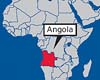 Huambo, Angola (AFP) April 16, 2009
On the drive from the airport into Huambo city centre lies the burnt-out shell of the former house of Angolan rebel leader Jonas Savimbi. |
|
|

| The content herein, unless otherwise known to be public domain, are Copyright 1995-2007 - SpaceDaily.AFP and UPI Wire Stories are copyright Agence France-Presse and United Press International. ESA Portal Reports are copyright European Space Agency. All NASA sourced material is public domain. Additional copyrights may apply in whole or part to other bona fide parties. Advertising does not imply endorsement,agreement or approval of any opinions, statements or information provided by SpaceDaily on any Web page published or hosted by SpaceDaily. Privacy Statement |

 del.icio.us
 Digg
Digg Reddit
 YahooMyWeb
 Google
 Facebook