|
DARPA Selects Aurora For Vulture Program
Manassas VA (SPX) Apr 17, 2008 Aurora Flight Sciences has announced that it has been awarded a contract to develop a radical new aircraft that can stay aloft for up to five years. The Defense Advanced Research Projects Agency (DARPA) made the award under a program known as "Vulture." The objective of the Vulture program is to develop an aircraft capable of remaining on-station uninterrupted for over five years to perform intelligence, surveillance, reconnaissance (ISR), and communication missions over an area of interest. The technology challenges include development of energy management and reliability technologies capable of allowing the aircraft to operate continuously for such extended durations. Vulture, in effect, will be a retaskable, persistent pseudo-satellite capability, in an aircraft package. Aurora's design is called "Odysseus." The concept uses solar energy to power the aircraft during daylight, and stored solar energy to power the aircraft at night. The aircraft is designed to fly in the stratosphere throughout its mission. Community Email This Article Comment On This Article Related Links The latest in Military Technology for the 21st century at SpaceWar.com
 Defense Focus: High-tech limits -- Part 2
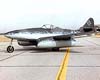 Washington, April 16, 2008
 What matters most with weapons systems is not how fast and how high, or even how heavily armed the aircraft flies, the tank rumbles or the warship sails, or even how powerful their guns and missiles are, but whether the systems will actually work reliably and how much punishment they can take. |
|
|
| The content herein, unless otherwise known to be public domain, are Copyright Space.TV Corporation. AFP and UPI Wire Stories are copyright Agence France-Presse and United Press International. ESA Portal Reports are copyright European Space Agency. All NASA sourced material is public domain. Additional copyrights may apply in whole or part to other bona fide parties. Advertising does not imply endorsement, agreement or approval of any opinions, statements or information provided by Space.TV Corp on any Web page published or hosted by Space.TV Corp. Privacy Statement |