
 |
 |
 |
 |
 |
 |
 |
 |
 |

 |
EPA seeks comment on nanosilver petition
Washington (UPI) Nov 19, 2008 The U.S. Environmental Agency is seeking public review and comment on a petition asking the agency to classify nanoscale silver as a pesticide. The petition, filed by the International Center for Technology Assessment and others, also calls on the EPA to require formal pesticide registration of all products containing nanoscale silver, analyze the potential human health and environmental risks of the tiny germ-killing particles, and take regulatory action against existing products that contain the material. The center said manufacturers are infusing products with nanoscale silver for its enhanced anti-microbial abilities. There are more than 260 nanosilver products currently on the market, including household appliances and cleaners, clothing, cutlery, children's toys and personal care products. "Nanosilver is an unknown threat not only to the environment but also to human health," center staff attorney George Kimbrell said. "The public has no idea that consumer products contain potentially dangerous nanoparticles because no labeling is currently required." Kimbrell said silver is toxic to fish, aquatic organisms and microorganisms. A 2008 study showed that washing nanosilver socks released substantial amounts of the nanosilver into laundry discharge water, which will ultimately reach natural waterways, the center said. Share This Article With Planet Earth
Related Links Nano Technology News From SpaceMart.com Computer Chip Architecture, Technology and Manufacture
 MU Scientists Go Green With Gold, Environmentally Friendly Nanoparticles
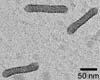 Columbia, MO (SPX) Sep 30, 2008
Gold nanoparticles are everywhere. They are used in cancer treatments, automobile sensors, cell phones, blood sugar monitors and hydrogen gas production. However, until recently, scientists couldn't create the nanoparticles without producing synthetic chemicals that had negative impacts on the environment. |
|
|

| The content herein, unless otherwise known to be public domain, are Copyright 1995-2007 - SpaceDaily.AFP and UPI Wire Stories are copyright Agence France-Presse and United Press International. ESA Portal Reports are copyright European Space Agency. All NASA sourced material is public domain. Additional copyrights may apply in whole or part to other bona fide parties. Advertising does not imply endorsement,agreement or approval of any opinions, statements or information provided by SpaceDaily on any Web page published or hosted by SpaceDaily. Privacy Statement |
 del.icio.us
 Digg
Digg Reddit
 YahooMyWeb
 Google
 Facebook