
 |
 |
 |
 |
 |
 |
 |
 |
 |

 |
Economic crisis drives the mothers of invention
Geneva (AFP) April 4, 2009 Crisis is the mother of invention, if one believes the bright sparks behind the gizmos, contraptions, novelties and potions at the international inventions exhibition in the Swiss city of Geneva. While others fret over the economic turmoil, many of the 710 exhibitors from 45 countries here relish it as a driver of innovation, whether they are trying peel shrimps, save coral reefs, build robots or cart skis around. "Look at World War II: when people had tough times, that's when they found the simplest or cheapest solutions," said the inventor of the "skikart" ski carrier on wheels. He came up with the idea on his way back from an arduous skiing trip in Austria. "Necessity is the mother of invention," grinned the greying South African, who was on the lookout for a business partner. Calexium, a French Internet peripherals firm, was touting an email server that does away with any size limits on attachments. "We've always financed ourselves, without the help of banks, so whether there's a crisis or not..." said company founder David Rene. "We're more likely to take advantage of the economic climate, to judge by the strong interest of our dealers," he explained. "They relish the idea of a new product to help them face up to the competition." The inventor of the shrimp peeler -- a welder by trade who was inspired by a Christmas dinner -- said many of his acquaintances were ready to buy it. Such novelties are "the best way to revive consumers", he argued against the marine-themed backdrop of his stand. The Salon International des Inventions, the 37th of its kind, has gained a more professional aura in recent years. Of the 70,000 visitors expected through April 5, more than half are industrialists, distributors and businesspeople, according to the organisers. Jean-Luc Vincent, the founder and president of the event, said the amateur or hobby inventors now account for just 26 percent of the exhibitors "against 95 percent in the early days". "These days we have a large number of universities or research institutes who have come to understand the commercial value of their inventions," he explained. Some 48 inventions received awards. The 'Grand Prix' went to Romanian firm MBTechnology's mobile scanner, which can speed up trade by helping customs officers search trucks or containers without the need to open them up. It weights seven tonnes instead of the more usual 20 and can detect objects just four millimetres long (one seventh of an inch) through 18 centimetre (seven inch) thick steel, according to its makers. While some institutional participants stayed away this year, Vincent pointed to a flow of "inventors stimulated by the urgent need to find solutions". Malaysia's Terengganu University put on a strong showing with innovations for aquaculture, mapping coral reefs or even renewable energy. These new actors in the contemporary world of inventions include Saudi Arabia's King Abdul Aziz Foundation for the Gifted. Its stand housed a dozen products: a 10 year-old girl who came up with a device to keep babies safe rubbed shoulders with a Saudi prince who designed a nacelle for a helicopter ambulance that can carry 17 patients in one go. An official at the German Patent Office stand pointed to another concrete sign of the thriving demand for new ideas. His office is trying to recruit another 100 experts this year despite a "slight slowdown" in patent applications. Downturns, he pointed out, give people time to think about new patents and prepare for the future. "Research and Development, that's the last thing to be cut," he claimed. Share This Article With Planet Earth
Related Links Space Tourism, Space Transport and Space Exploration News
 Japanese gadget controls iPod in blink of an eye
 Tokyo (AFP) March 8, 2009
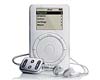
A wink, a smile or a raised eyebrow could soon change the music on your iPod or start up the washing machine, thanks to a new Japanese gadget. |
|
|

| The content herein, unless otherwise known to be public domain, are Copyright 1995-2007 - SpaceDaily.AFP and UPI Wire Stories are copyright Agence France-Presse and United Press International. ESA Portal Reports are copyright European Space Agency. All NASA sourced material is public domain. Additional copyrights may apply in whole or part to other bona fide parties. Advertising does not imply endorsement,agreement or approval of any opinions, statements or information provided by SpaceDaily on any Web page published or hosted by SpaceDaily. Privacy Statement |

 del.icio.us
 Digg
Digg Reddit
 YahooMyWeb
 Google
 Facebook