
 |
 |
 |
 |
 |
 |
 |
 |
 |

 |
First Broad Spectrum Anti-Microbial Paint To Kill Superbugs
Pierre SD (SPX) Apr 17, 2009 Scientists in South Dakota are reporting development of the first broad-spectrum antimicrobial paint, a material that can simultaneously kill not just disease-causing bacteria but mold, fungi, and viruses. Designed to both decorate and disinfect homes, businesses, and health-care settings, the paint is the most powerful to date, according to their new study. It appears in the current issue of the monthly ACS' Applied Materials and Interfaces. The paint shows special promise for fighting so-called "superbugs," antibiotic-resistant microbes that infect hospital surfaces and cause an estimated 88,000 deaths annually in the United States, the researchers say. In the study, Yuyu Sun and Zhengbing Cao note in the antimicrobial paints already on are store shelves. These paints, however, are only effective against a narrow range of disease-causing microorganisms, limiting their usefulness. The scientists already were aware of research on the germ-killing effects of that N-halamines, bleach-like substances already in wide use. They developed a new antimicrobial polymer that includes a type of N-halamine. It has no undesirable effects on the quality of latex paints. Laboratory tests showed that the new polymer kills a wide range of disease-causing microbes including those resistant to multiple antibiotics. The paint retains an anti-microbial punch for extended periods, and it can be easily "recharged" with a simple chlorination process, the researchers note. Share This Article With Planet Earth
Related Links - Epidemics on Earth - Bird Flu, HIV/AIDS, Ebola
 Drug-resistant TB rampant in ex-USSR, China: study
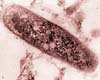 Paris (AFP) April 16, 2009
Multi-drug resistant tuberculosis (MDR-TB) has reached "epidemic" levels in many ex-Soviet nations, and is widespread in several provinces of China, according a new global assessment released Thursday. |
|
|

| The content herein, unless otherwise known to be public domain, are Copyright 1995-2007 - SpaceDaily.AFP and UPI Wire Stories are copyright Agence France-Presse and United Press International. ESA Portal Reports are copyright European Space Agency. All NASA sourced material is public domain. Additional copyrights may apply in whole or part to other bona fide parties. Advertising does not imply endorsement,agreement or approval of any opinions, statements or information provided by SpaceDaily on any Web page published or hosted by SpaceDaily. Privacy Statement |
 del.icio.us
 Digg
Digg Reddit
 YahooMyWeb
 Google
 Facebook