
 |
 |
 |
 |
 |
 |
 |
 |
 |

 |
Global Warming Linked To European Viral Epidemic
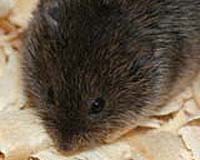
Leuven, Belgium (SPX) Jan 20, 2009 An epidemic of the viral disease nephropathia epidemica (NE) has been linked to increases in the vole population caused by hotter summers, milder winters and increased seedcrop production by broadleaf trees. Research published in BioMed Central's open access International Journal of Health Geographics links outbreaks of this rodent-borne disease to known effects of global warming. Dr Jan Clement from the Department of Microbiology and Immunology at Belgium's Rega Institute (University of Leuven) worked with a team of medical researchers and bioscience-engineers to investigate outbreaks of NE in Belgium. Dr. Clement founded the Belgian Hantavirus Reference Centre in 1985, and noted that of the 2,200 cases since then, 828 (37.6%) occurred in just the last three years, 2005-2007. The epidemic has been shown to extend to neighboring countries such as France, Germany, The Netherlands, and Luxembourg. He said, "This animal-borne disease, scarcely known before 1990, has been increasing in incidence in Belgium with a cyclic pattern, reaching epidemic proportions since 2005. The fact that the growing combined effect of hotter summer and autumn seasons is matched by the growth of NE in recent years means this epidemic can be considered an effect of global warming". NE is caused by infection with Puumala virus (PUUV), which is spread by the bank vole, a rodent common throughout most of Europe. The authors believe that warmer weather causes increases in the amount of 'mast', plant seeds from oak and beech trees, that forms the voles' staple diet. This plethora of food results in increases in the vole population and warm summers raise the chances that people will visit the forests where the voles live. According to Clement, "Since 1993, each NE peak has been preceded by increased autumnal mast formation the year before, resulting in yearly NE numbers significantly higher than those during the mast years themselves". PUUV is a hantavirus, a group of viruses known to cause hemorrhagic fevers (fevers combined with bleeding disorders). NE is a relatively mild hemorrhagic fever that causes flu-like symptoms often with renal complications, sometimes also with pulmonary problems, needing Intensive Care treatment, such as acute dialysis and/or mechanical ventilation. In some rare cases it can, moreover, cause the shock with internal haemorrhaging and death for which these infections are infamous. Clement said, "In 1997, more than 9,000 people in the Russian republic of Bashkortostan contracted the disease, of which 34 cases were fatal". Share This Article With Planet Earth
Related Links BioMed Central Epidemics on Earth - Bird Flu, HIV/AIDS, Ebola
 China reports second bird flu death this month
 Beijing (AFP) Jan 19, 2009
A woman has died of bird flu in east China's Shandong province, state media said Sunday, reporting the nation's second death from the disease this month. |
|
|

| The content herein, unless otherwise known to be public domain, are Copyright 1995-2007 - SpaceDaily.AFP and UPI Wire Stories are copyright Agence France-Presse and United Press International. ESA Portal Reports are copyright European Space Agency. All NASA sourced material is public domain. Additional copyrights may apply in whole or part to other bona fide parties. Advertising does not imply endorsement,agreement or approval of any opinions, statements or information provided by SpaceDaily on any Web page published or hosted by SpaceDaily. Privacy Statement |
 del.icio.us
 Digg
Digg Reddit
 YahooMyWeb
 Google
 Facebook