
 |
 |
 |
 |
 |
 |
 |
 |
 |

 |
Green tea and mushrooms cut breast cancer risk: study
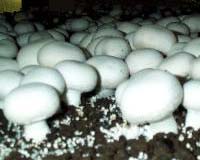
Sydney (AFP) March 18, 2009 Chinese women who ate mushrooms and drank green tea significantly cut their risk of breast cancer and the severity of the cancer in those who did develop it, an Australian researcher said Wednesday. Min Zhang, from the University of Western Australia, studied the diets of 2,018 women from the southeastern Chinese city of Hangzhou -- half of whom had breast cancer -- between July 2004 and September 2005. While breast cancer was the most common type of cancer for women worldwide, Min said the rate in China was four to five times lower than that typically found in developed countries. "We concluded that higher dietary intake of mushrooms decreased breast cancer risk in pre- and post-menopausal Chinese women, and an additional decreased risk of breast cancer from the joint effect of mushrooms and green tea was observed," Min told AFP. "The risk of breast cancer significantly declined with the highest intake of dietary mushrooms," she said, adding that fresh and dried mushrooms were equally effective. Eating as little as 10 grams, or less than one button mushroom daily, would have a beneficial effect, Min found, with the women who consumed the most fresh mushrooms around two-thirds less likely to develop breast cancer compared with those who did not eat mushrooms. In addition to lowering the cancer risk, green tea and mushrooms also cut the malignancy of any cancer which did form, Min found. The fact that the combination of green tea and mushrooms was more effective than just mushrooms alone could partially explain the lower incidence of breast cancer amongst Chinese women, she said. "To our knowledge, this is the first human study to evaluate the joint effect of mushrooms and green tea on breast cancer," she said. "Our findings, if confirmed consistently in other research, have potential implications for protection against breast cancer development using an inexpensive dietary intervention." The study was published in the most recent issue of the International Journal of Cancer, and is one in a series of Asian studies by Min and her team on the anti-carcinogenic effects of phytochemicals. Share This Article With Planet Earth
Related Links Hospital and Medical News at InternDaily.com
 Asia faces tobacco-related disease 'epidemic': experts
 Mumbai (AFP) March 12, 2009
Policymakers need to step up efforts to cut smoking rates in Asia to prevent an "epidemic" of tobacco-related lung disease, a conference here was told Thursday. |
|
|

| The content herein, unless otherwise known to be public domain, are Copyright 1995-2007 - SpaceDaily.AFP and UPI Wire Stories are copyright Agence France-Presse and United Press International. ESA Portal Reports are copyright European Space Agency. All NASA sourced material is public domain. Additional copyrights may apply in whole or part to other bona fide parties. Advertising does not imply endorsement,agreement or approval of any opinions, statements or information provided by SpaceDaily on any Web page published or hosted by SpaceDaily. Privacy Statement |
 del.icio.us
 Digg
Digg Reddit
 YahooMyWeb
 Google
 Facebook