
 |
 |
 |
 |
 |
 |
 |
 |
 |

 |
Harmful 'red tide' hits Dubai beaches
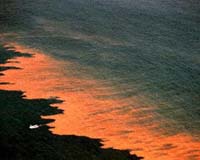
Dubai (AFP) April 7, 2009 Beaches in the Gulf tourism hub of Dubai have been plagued by a bloom of algae known as the "red tide" that has killed fish and is potentially harmful to humans, a municipality official said on Tuesday. "This is a natural fauna that goes into harmful algal bloom," said Mohammed Abdulrahman Hassan, head of the marine and wildlife section in the municipality's environment office. The algae can cause skin and eye irritations as well as breathing problems for people, who should avoid swimming near it, Hassan said. The algae, whose scientific name is Cochlodinium polykrikoides, absorb oxygen at a high rate, especially at night. Reduced oxygen levels can harm fish, and the algae can also kill them by clogging their gills. On Tuesday municipality officials found algae near the iconic sail-shaped Burj Al-Arab Hotel, but Hassan said it was pointless closing sections of beach since the bloom was constantly on the move. "People should use common sense. If they see the bloom or dead fish, they should not touch it and should not swim in that area," he said. Newspaper reports said the phenomenon has plagued neighbouring emirates Ras al-Khaimah and Fujairah for months, killing hundreds of tonnes of fish. One of the seven emirates comprising the United Arab Emirates, Dubai is popular with tourists and residents alike for its sunbaked beaches. Share This Article With Planet Earth
Related Links Water News - Science, Technology and Politics
 US 'committed' to ratifying Law of Sea Convention: Clinton
 Washington (AFP) April 6, 2009
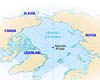
Secretary of State Hillary Clinton said Monday the United States was "committed" to ratifying a convention on world ocean use, as she called for more international cooperation to protect the North and South poles. |
|
|

| The content herein, unless otherwise known to be public domain, are Copyright 1995-2007 - SpaceDaily.AFP and UPI Wire Stories are copyright Agence France-Presse and United Press International. ESA Portal Reports are copyright European Space Agency. All NASA sourced material is public domain. Additional copyrights may apply in whole or part to other bona fide parties. Advertising does not imply endorsement,agreement or approval of any opinions, statements or information provided by SpaceDaily on any Web page published or hosted by SpaceDaily. Privacy Statement |
 del.icio.us
 Digg
Digg Reddit
 YahooMyWeb
 Google
 Facebook