
 |
 |
 |
 |
 |
 |
 |
 |
 |

 |
Health issues affect FEMA trailer kids
New York (UPI) Nov 24, 2008 Children of families displaced by hurricanes Katrina and Rita are showing serious physical and mental health issues, a U.S. hospital study indicates. The report, released Monday by the New York's Children's Health Fund, reviewed medical records of 261 children who lived in a federally funded Baton Rouge trailer park until early summer, USA Today reported. Forty-one percent of children younger than 4 were diagnosed with anemia, more than double the rate of children living in New York City homeless shelters, survey results indicated. Other findings: -- 55 percent of elementary-school-aged children had a behavior or learning problem. -- 42 percent of children were diagnosed with hay fever, and-or upper respiratory infection. -- 24 percent had a cluster of upper respiratory, allergic and skin ailments. After Hurricane Katrina, the Children's Health Fund dispersed mobile clinics throughout the U.S. Gulf Coast, including one outside Renaissance Village in Baton Rouge, the largest Federal Emergency Management Agency trailer park in the region, USA Today reported. The Children's Health Fund used medical data gathered from that clinic to conduct the survey, says Irwin Redlener, the study's author and organization president. This year, the Centers for Disease Control and Prevention said it would undertake a long-term study of children who lived in federally issued trailers and mobile homes in Louisiana and Mississippi, hundreds of which were found to have high levels of toxins, including formaldehyde. Share This Article With Planet Earth
Related Links Bringing Order To A World Of Disasters A world of storm and tempest When the Earth Quakes
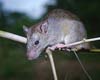
 Rats trained to sniff land mines, TB
 Maputo, Mozambique (UPI) Nov 23, 2008
 Rats in Africa have been trained to use their sensitive noses for the benefit of humans by sniffing out land mines and diagnosing tuberculosis. |
|
|

| The content herein, unless otherwise known to be public domain, are Copyright 1995-2007 - SpaceDaily.AFP and UPI Wire Stories are copyright Agence France-Presse and United Press International. ESA Portal Reports are copyright European Space Agency. All NASA sourced material is public domain. Additional copyrights may apply in whole or part to other bona fide parties. Advertising does not imply endorsement,agreement or approval of any opinions, statements or information provided by SpaceDaily on any Web page published or hosted by SpaceDaily. Privacy Statement |

 del.icio.us
 Digg
Digg Reddit
 YahooMyWeb
 Google
 Facebook