
 |
 |
 |
 |
 |
 |
 |
 |
 |

 |
Marine census surprises scientists
Chicago (AFP) Feb 16, 2009 Marine life hidden in the depths of the forbidding Arctic and Antarctic seas is much richer than scientists had previously thought, according to a scientific census. And in a surprising result a total of 235 species appear to be shared by the two seas, even though they are literally a world apart, according to the new Census of Marine Life. The rich shared sealife was a huge surprise given the challenging living conditions and the 11,000 kilometers (6,835 miles) which separate the opposite ends of the Earth. The shared species include grey whales, worms, birds, crustaceans and somewhat snail-like pterapods, according to the study released Sunday, which added that further DNA testing was underway to confirm if they were indeed identical. "The polar seas, far from being biological deserts, teem with an amazing quantity and variety of life," said Dr. Ian Pointer, chair of the census' scientific steering committee. "Humanity is only starting to understand the nature of these regions," he added. The census so far has identified 7,500 sea species in the Antarctic and 5,500 in the Arctic, drawing on data from more than a million locations. Marine fauna worldwide is thought to include 230,000-240,000 species. The census was launched in 2000 and the final results are due to be published in October 2010. More details are available at www.coml.org. Share This Article With Planet Earth
Related Links Water News - Science, Technology and Politics
 Marine biologists perplexed by jellyfish in Baltic Sea
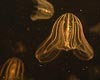 Stockholm (AFP) Feb 12, 2009
Marine biologists have in recent years rung alarm bells over the invasion in the Baltic Sea of what they believed was a devastating jellyfish, but experts said Thursday they were wrong about the species. |
|
|

| The content herein, unless otherwise known to be public domain, are Copyright 1995-2007 - SpaceDaily.AFP and UPI Wire Stories are copyright Agence France-Presse and United Press International. ESA Portal Reports are copyright European Space Agency. All NASA sourced material is public domain. Additional copyrights may apply in whole or part to other bona fide parties. Advertising does not imply endorsement,agreement or approval of any opinions, statements or information provided by SpaceDaily on any Web page published or hosted by SpaceDaily. Privacy Statement |
 del.icio.us
 Digg
Digg Reddit
 YahooMyWeb
 Google
 Facebook