
 |
 |
 |
 |
 |
 |
 |
 |
 |

 |
Minimising The Spread Of Deadly Hendra Virus
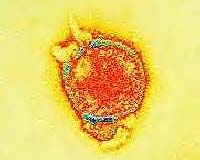
Canberra, Australia (SPX) Apr 07, 2009 Groundbreaking CSIRO research into how the deadly Hendra virus spreads promises to save the lives of both horses and humans in the future. CSIRO Livestock Industries' scientists working at the Australian Animal Health Laboratory (AAHL), in Geelong Victoria, have made a major breakthrough in better understanding how Hendra spreads from infected horses to other horses and humans. Funded by the Australian Biosecurity CRC for Emerging Infectious Diseases, Dr Deb Middleton and her team at AAHL have defined the period following the first signs of disease when horses are most likely to shed Hendra virus and therefore infect other horses and people. First identified in Brisbane in 1994, Hendra virus, which spreads from flying foxes, has regularly infected horses in Australia. Of the 11 equine outbreaks, four have led to human infection, with three of the six known human cases being fatal, the most recent of these in August 2008. Dr Middleton says limited information in the past, on when the disease can transmit, has made it difficult to manage infected horses to stop Hendra spreading further to people and other susceptible horses. "Our research has also determined the best biological samples required for rapid diagnosis of the virus in horses and identified the important relationship between the period of highest transmission risk and the time with which the disease can easily be detected," Dr Middleton says. As a result of these findings, veterinarians and horse owners are likely to consider the possibility of Hendra virus infection sooner when dealing with sick horses. This will mean appropriate management strategies can be put in place immediately, reducing the risk of spread while testing is being carried out. "Unlike in horse flu, where apparently healthy horses can transmit the virus, horses in the early stages of Hendra infection generally appear to be at lower risk compared to animals with more advanced signs of illness." These research findings will be used to update the guidelines that horse owners and vets use to handle potential Hendra virus infections. Dr Middleton says her research also indicates there is an opportunity to diagnose Hendra virus in horses early, prior to advanced clinical signs and the highest risk of transmission. "Developing a sensitive and specific stall-side test, which vets could use out in the field to diagnose the disease, has become even more important. However there are still key challenges to developing this type of advanced technology." Although it is still not known how Hendra spreads from flying foxes to horses, Dr Middleton says the key to preventing human exposure and the exposure of additional horses is first understanding the disease in horses and secondly controlling the viral spread from diseased horses. Share This Article With Planet Earth
Related Links CSIRO Livestock Industries Australian Animal Health Laboratory Epidemics on Earth - Bird Flu, HIV/AIDS, Ebola
 Ecologists Question Effects Of Climate Change On Infectious Diseases
 Washongton DC (SPX) Apr 04, 2009
Recent research has predicted that climate change may expand the scope of human infectious diseases. A new review, however, argues that climate change may have a negligible effect on pathogens or even reduce their ranges. The paper has sparked debate in the ecological community. |
|
|

| The content herein, unless otherwise known to be public domain, are Copyright 1995-2007 - SpaceDaily.AFP and UPI Wire Stories are copyright Agence France-Presse and United Press International. ESA Portal Reports are copyright European Space Agency. All NASA sourced material is public domain. Additional copyrights may apply in whole or part to other bona fide parties. Advertising does not imply endorsement,agreement or approval of any opinions, statements or information provided by SpaceDaily on any Web page published or hosted by SpaceDaily. Privacy Statement |
 del.icio.us
 Digg
Digg Reddit
 YahooMyWeb
 Google
 Facebook