
 |
 |
 |
 |
 |
 |
 |
 |
 |

 |
Nanotech In Your Vitamins
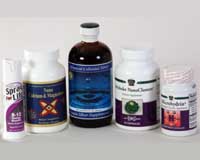
Washington DC (SPX) Jan 21, 2009 The ability of the Food and Drug Administration (FDA) to regulate the safety of dietary supplements using nanomaterials is severely limited by lack of information, lack of resources and the agency's lack of statutory authority in certain critical areas, according to a new expert report released by the Project on Emerging Nanotechnologies (PEN). The report, A Hard Pill To Swallow: Barriers to Effective FDA Regulation of Nanotechnology-Based Dietary Supplements, details the main problems at FDA in regulating nano-enabled dietary supplements and offers a host of recommendations for improving oversight of such products. "Historically, the regulation of dietary supplements has been a significant challenge for FDA, and the fact that some of those products are now being manufactured using nanotechnology creates an additional layer of complexity," says William B. Schultz, a co-author of the report and a former FDA official. Little is known about the use of engineered nanoparticles in the dietary supplement market. Current law requires supplement manufacturers to disclose limited information about their products, and what information is available is a result of dietary supplement manufacturers touting the use of nanotechnology when marketing their products, according to the report. "While it is not possible to precisely determine the prevalence of dietary supplements using engineered nanoparticles, it is likely that the public's exposure to these products will grow significantly in the next several years," says Lisa Barclay, also a co-author of the report. According to an inventory of federal environmental, health and safety research on nanotechnology maintained by PEN, the U.S. government is spending less than $1 million annually to study the direct impact of nanoscale materials on the gastrointestinal tract. "It is not clear that the supplement industry is conducting the rigorous testing needed either to understand the effects of nanoscale ingredients in its products or to back up the product claims. This means that consumers are potentially exposed to unknown risks that should be balanced with the possible benefits of taking these supplements," says David Rejeski, PEN's director. Share This Article With Planet Earth
Related Links Project on Emerging Nanotechnologies Nano Technology News From SpaceMart.com Computer Chip Architecture, Technology and Manufacture
 Easy Assembly Of Electronic Biological Chips
 University Park PA (SPX) Jan 20, 2009
A handheld, ultra-portable device that can recognize and immediately report on a wide variety of environmental or medical compounds may eventually be possible, using a method that incorporates a mixture of biologically tagged nanowires onto integrated circuit chips, according to Penn State researchers. |
|
|

| The content herein, unless otherwise known to be public domain, are Copyright 1995-2007 - SpaceDaily.AFP and UPI Wire Stories are copyright Agence France-Presse and United Press International. ESA Portal Reports are copyright European Space Agency. All NASA sourced material is public domain. Additional copyrights may apply in whole or part to other bona fide parties. Advertising does not imply endorsement,agreement or approval of any opinions, statements or information provided by SpaceDaily on any Web page published or hosted by SpaceDaily. Privacy Statement |
 del.icio.us
 Digg
Digg Reddit
 YahooMyWeb
 Google
 Facebook