|
San Diego State University Improves MEMS Accelerometer Tunability
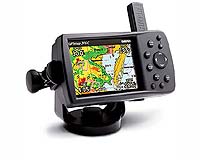
San Diego CA (SPX) Jul 16, 2008 Researchers at San Diego State University have developed a new concept for improving MEMS accelerometer tunability. This method can increase wide-band tunability with ranges much larger than current practice, a significant improvement from the previously accepted 5-10%. Greater tunability is necessary for new consumer and military products such as cell phones and gaming and GPS devices. This new concept introduced by the University allows for better performance of accelerometers in current products and opens the door for innovative and emerging technologies that will require wide bandwidth resonant frequency tunability in MEMS accelerometers. "Another benefit is that this new concept allows for an increase in the range of frequencies while reducing costs," said a professor at the University. Research, innovation and application have always been key drivers for researchers at San Diego State University. The University now seeks to license the technology to a private company in order to apply university research. Community Email This Article Comment On This Article Related Links Excend GPS Applications, Technology and Suppliers
 Digital Angel SARBE Unit Supplies Personal Locator Beacons To Swiss Air Force
 St. Paul MN (SPX) Jul 15, 2008
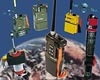
Digital Angel has announced that its SARBE division has signed a contract valued at approximately $2.4 million with Armasuisse, Switzerland's defense procurement agency, to supply SARBE Personal Locator Beacons to the Swiss Air Force. |
|
|
| The content herein, unless otherwise known to be public domain, are Copyright Space.TV Corporation. AFP and UPI Wire Stories are copyright Agence France-Presse and United Press International. ESA Portal Reports are copyright European Space Agency. All NASA sourced material is public domain. Additional copyrights may apply in whole or part to other bona fide parties. Advertising does not imply endorsement, agreement or approval of any opinions, statements or information provided by Space.TV Corp on any Web page published or hosted by Space.TV Corp. Privacy Statement |