|
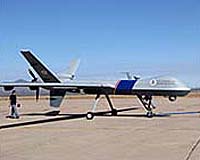
Second Predator Crashes In Iraq In Two Days
Balad Air Base, Iraq (AFNS) Aug 07, 2007 An Air Force MQ-1 Predator unmanned aerial vehicle crashed off base Tuesday at approximately 8 p.m. local time. This was the second Predator to crash in Iraq in two days. Hostile activity does not appear to be a factor in either crash. The crash site is in an unpopulated area and no collateral damage or injuries occurred. A board will be convened to investigate the incident. The aircraft is a medium-altitude long-endurance, remotely piloted aircraft. The MQ-1's primary mission is conducting armed reconnaissance.
First Predator Crashes In Iraq The crash site is an unpopulated area and no collateral damage or injuries occurred. The aircraft is a medium-altitude long-endurance, remotely piloted aircraft. The Predator's primary mission is conducting armed reconnaissance, providing top cover for collation ground forces combating terrorism here. The crash does not appear to be from hostile activity. A board will be convened to investigate the incident. Community Email This Article Comment On This Article Related Links MQ-1 Predator Unmanned Aerial Vehicle UAV News - Suppliers and Technology
 US Navy Awards UCAS-D Contract To Northrop Grumman-Led X-47 Team
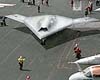 San Diego CA (SPX) Aug 06, 2007
The U.S. Navy has awarded Northrop Grumman, a six-year, $635.8 million contract to conduct the first ever at-sea carrier launches and recoveries with a fixed-wing unmanned air system (UAS), the X-47B. The Navy's program, known as the Unmanned Combat Air System Carrier Demonstration (UCAS-D), will demonstrate the capability of an autonomous, low-observable air vehicle. The UCAS-D effort will mature critical technologies, reduce unmanned air system carrier integration risks and provide information necessary to support a potential follow-on acquisition milestone. |
|
|
| The content herein, unless otherwise known to be public domain, are Copyright Space.TV Corporation. AFP and UPI Wire Stories are copyright Agence France-Presse and United Press International. ESA Portal Reports are copyright European Space Agency. All NASA sourced material is public domain. Additional copyrights may apply in whole or part to other bona fide parties. Advertising does not imply endorsement, agreement or approval of any opinions, statements or information provided by Space.TV Corp on any Web page published or hosted by Space.TV Corp. Privacy Statement |