
 |
 |
 |
 |
 |
 |
 |
 |
 |

 |
Solar Energy A Bright Spot In Renewables
Menlo Park CA (SPX) Apr 27, 2009 Solar energy is gaining market share, as interesting new technologies are being developed to drive this renewable energy source forward. The oil price fluctuations and global warming concerns have sparked a concentrated interest in promoting solar energy applications. In fact, the outlook for the global solar energy market is projected to more than double to reach $70 billion by 2013. Today, SRI Consulting (SRIC) published its new Materials and Technologies for Solar Energy report that details the solar materials and technologies used in 1st through 4th generation photovoltaic applications, including an overview of solar thermal. Solar power, like so many new energy processes, makes demands of chemicals during equipment manufacturing or operations. The 1st and 2nd generation photovoltaic cells require different forms of silicon, rare transition metals and metalloid elements. As a result of increased silicon costs, the 3rd and 4th generation technologies are focusing on organic polymers or nanomaterials and the lower manufacturing costs they offer. Bob Davenport, Director of the Safe and Sustainable Chemicals series at SRIC commented, "Developments in organic photovoltaic technology have made significant improvements in recent years, with cell efficiencies reaching over 5%. However, silicon based cells in the commercial photovoltaic industry are still the predominant technology because of higher efficiencies reaching over 25%." The Materials and Technologies for Solar Energy report explores new applications where solar energy is being applied. Many opportunities exist for companies in the solar energy area from material research to manufacturing where breakthrough developments are being made at a surprising rate. The developments in organic manufacturing pose promising synergies with the printed electronics industry. The number of specific technologies for producing photovoltaic solar cells is almost as numerous as the number of companies participating in the industry, especially with newer generation technologies. In addition, manufacturers are coming together and establishing standards. The Materials and Technologies for Solar Energy report includes information on key manufacturers and major technologies. Share This Article With Planet Earth
Related Links SRI Consulting (SRIC) All About Solar Energy at SolarDaily.com
 SolFocus Cuts Ribbon On Expanded Glassworks Factory In Arizona
 Mountain View, CA (SPX) Apr 27, 2009
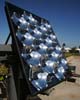
SolFocus, the leading developer of Concentrator Photovoltaic (CPV) systems, has announced the completion of its expanded solar glass reflector manufacturing factory in Mesa, Ariz. With over a 175 percent increase in manufacturing floor space and a new line of advanced manufacturing equipment, the SolFocus Glassworks facility will have the capacity to produce 2 million concentrating reflectors annually for 30 MW of solar power generation - over 15 times the plant's capacity in 2008. |
|
|

| The content herein, unless otherwise known to be public domain, are Copyright 1995-2007 - SpaceDaily.AFP and UPI Wire Stories are copyright Agence France-Presse and United Press International. ESA Portal Reports are copyright European Space Agency. All NASA sourced material is public domain. Additional copyrights may apply in whole or part to other bona fide parties. Advertising does not imply endorsement,agreement or approval of any opinions, statements or information provided by SpaceDaily on any Web page published or hosted by SpaceDaily. Privacy Statement |

 del.icio.us
 Digg
Digg Reddit
 YahooMyWeb
 Google
 Facebook