
 |
 |
 |
 |
 |
 |
 |
 |
 |

 |
UN agency sounds warning after Antarctica ice shelf rips
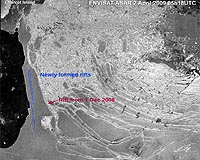
Paris (AFP) April 7, 2009 The UN Environment Programme (UNEP) said the breakway of a Jamaica-sized ice shelf from the Antarctic peninsula could accelerate global warming in this already vulnerable region. Satellite pictures show a 40-kilometre (25-mile) ice bridge that was the Wilkins Ice Shelf's last link to the coast had now shattered at its narrowest point, about 500 metres (yards) wide, UNEP said. The Wilkins Ice Shelf once covered around 16,000 square kilometres (6,000 square miles) before it began to retreat in the 1990s, and by last May the ice bridge was all that connected it to Charcot and Latady islands. The loss of the bridge "may now allow ocean currents to wash away far more of the shelf," UNEP said. Christian Lambrechts, a policy and programme officer with UNEP's Division of Early Warning and Assessment, said this would expose more of the sea's surface to sunlight, rather than reflect it, in turn "contributing to continued and accelerated warming." The Antarctic peninsula -- the tongue of land that juts up towards South America -- has been hit by greater warming than almost any other region on Earth. In the past 50 years, temperatures have risen by 2.5 degrees Celsius (4.5 degrees Fahrenheit), around six times the global average. Ice shelves are ledges of thick ice that float on the sea and are attached to the land. They are formed when ice is exuded from ice sheet on land. The Antarctic ice shelves do not add to sea levels when they melt. Like the Arctic ice cap, they float on the sea and thus displace their own volume. But the loss of an ice shelf means that the glaciers that feed it may flow out straight to the sea, as if from an uncorked bottle. "Although the Wilkins ice bridge collapse will have no direct consequence on sea level rise, it might have an indirect impact, as the decay of the ice shelf will reduce the stability of the glaciers that are feeding it," said Lambrechts. In the past 20 years, Antarctica has lost seven ice shelves. The process is marked by shrinkage and the breakaway of increasingly bigger chunks before the remainder of the shelf snaps away from the coast. It then disintegrates into debris or into icebergs that eventually melt as they drift northwards. Share This Article With Planet Earth
Related Links Beyond the Ice Age
 From The Top To The Bottom
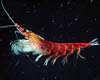 Moffet Field CA (SPX) Apr 04, 2009
Scientists have long established that the Antarctic Peninsula is one of the most rapidly warming spots on Earth. Now, new research using detailed satellite data indicates that the changing climate is affecting not just the penguins at the apex of the food chain, but simultaneously the microscopic life that is the base of the ecosystem. |
|
|

| The content herein, unless otherwise known to be public domain, are Copyright 1995-2007 - SpaceDaily.AFP and UPI Wire Stories are copyright Agence France-Presse and United Press International. ESA Portal Reports are copyright European Space Agency. All NASA sourced material is public domain. Additional copyrights may apply in whole or part to other bona fide parties. Advertising does not imply endorsement,agreement or approval of any opinions, statements or information provided by SpaceDaily on any Web page published or hosted by SpaceDaily. Privacy Statement |
 del.icio.us
 Digg
Digg Reddit
 YahooMyWeb
 Google
 Facebook